Comeback King: Gary Woodland’s Houston Open Win and What It Means For Your Game
After brain surgery, PTSD, and 2,473 days between wins, Gary Woodland won the Houston Open by 5 shots. Here’s what his incredible comeback teaches every golfer about getting back to their best.
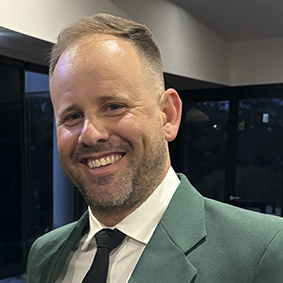 Ricky Esteb
On March 30, 2026, Gary Woodland completed one of the most remarkable comebacks in modern golf — winning the Texas Children’s Houston Open at Memorial Park by five shots, finishing at 21-under par.
It was his first PGA Tour victory in 2,473 days. His last win? The 2019 U.S. Open at Pebble Beach.
What happened between those two wins is a story every golfer needs to hear.
Brain Surgery, PTSD, and Rock Bottom
In September 2023, Woodland underwent surgery to remove a lesion from his brain. He’d been losing his appetite. His hands trembled. He had terrifying nightmares about falling.
He returned to competition in January 2024, but the real battle was just beginning. He was diagnosed with post-traumatic stress disorder from the surgery itself. During one tournament last year in Napa, California, the symptoms overwhelmed him so badly that — in his own words — “I went into every bathroom to cry the rest of the day.”
He started 2026 by missing four of his first six cuts. His best finish was a T64. Most people would have quietly stepped away from the game.
He didn’t.
The Win That Shocked Nobody Who Was Paying Attention
Woodland shot a final round 67 on Sunday, building a six-shot lead by the turn after going 4-under across five holes on the front nine. He drained consecutive birdie putts of 10, 25, and 25 feet across holes 5 through 9.
But the most striking thing about watching him this week was the tempo. Every single swing — driver, iron, wedge — had this effortless, silky rhythm to it. No rush. No forcing it. Just smooth, repeatable tempo that produced 128 mph (206 km/h) clubhead speed without looking like he was swinging hard at all.
That’s the mark of someone who’s put in serious work on the fundamentals, not just smashing balls on the range.
“Everybody that’s struggling with something, I hope they see me and don’t give up. Just keep fighting.”
The Stats That Tell the Full Story
Woodland’s 2025-26 PGA Tour stats reveal a player who leaned hard into his strengths while accepting that not everything needed to be perfect:
| Stat | Value | Tour Rank |
|---|---|---|
| Clubhead Speed | 128.19 mph (206.3 km/h) | 1st |
| Driving Distance | 324.6 yds (296.8 m) | 2nd |
| SG: Off the Tee | +0.678 | 5th |
| Putting 10-15 ft (3-4.6 m) | 48.89% | 1st |
| SG: Putting | +0.432 | 31st |
| SG: Total | +0.682 | 36th |
| Birdies Per Round | 4.29 | 29th |
| Scoring Average | 69.92 | 54th |
| Greens in Regulation | 66.44% | 81st |
| Scrambling | 60.00% | 102nd |
| Driving Accuracy | 53.96% | 131st |
| Longest Drive | 409 yds (374.0 m) | 3rd |
| Avg Proximity to Hole | 37′0″ (11.3 m) | 62nd |
| Late Round Scoring | 69.46 | 31st |
| Season Earnings | $1,982,753 USD (~$3.1M AUD) | 26th |
Read that again: #1 clubhead speed on the entire PGA Tour. At 41 years old. After brain surgery.
What Woodland’s Stats Teach Us About Comebacks
1. Lean Into Your Strengths
Woodland’s driving is elite — 2nd on Tour in distance, 5th in Strokes Gained Off the Tee. But his driving accuracy sits at 131st. He didn’t try to fix everything at once. He doubled down on what makes him dangerous and managed the rest.
For amateur golfers coming back from time away, this is critical. Don’t try to rebuild your entire game overnight. Identify what still works and build your confidence around it.
2. Your Short Game Doesn’t Have to Be Perfect
Woodland’s scrambling (102nd) and sand saves (133rd) show he’s still rebuilding parts of his game. But he didn’t wait until everything was perfect to start winning. He competed with what he had.
Too many golfers sit out rounds because they’re “not ready.” Woodland proves that progress happens while competing, not before.
3. Mental Game Work Pays Off Under Pressure
His late round scoring average of 69.46 (31st on Tour) tells you everything. When the pressure builds, he gets better. That’s not talent — that’s the result of deliberate mental game work through some of the hardest circumstances any athlete has faced.
Woodland publicly opened up about his PTSD diagnosis and said it felt like “a thousand pounds off my back.” Sometimes the best thing you can do for your game is deal with the stuff that’s happening off the course.
4. Tempo Over Power
At 41, Woodland is swinging faster than every 25-year-old on Tour. But if you watched him this week, it didn’t look fast. It looked smooth. That’s because tempo is the multiplier that makes speed sustainable. When you’re coming back from injury or time away, rebuilding your tempo should be priority number one — not chasing speed.
Building Your Own Comeback Plan
Whether you’re recovering from a knee replacement, a back injury, an illness, or just the feeling that your best golf is behind you — the principles are the same ones Woodland used:
- Track what actually matters. Not just scores — the specific stats that show where your game is leaking shots. Woodland’s team identified exactly what needed fixing. You can do the same with data.
- Focus on what you can control. Woodland didn’t chase the leaderboard or the rankings. He worked with his longtime coach Randy Smith on the specific parts of his game that had slipped.
- See the progress you can’t feel. When you’re coming back, it often feels like nothing’s improving. The data tells a different story. Watching your fairways hit climb from 35% to 48% over six weeks — that’s the evidence that keeps you going.
- Play one shot at a time. Woodland played one shot at a time, one round at a time, one week at a time. That’s not a cliché — it’s a strategy.
“I’ve got a big fight ahead of me, and I’m going to keep going. But I’m proud of myself right now.”
What’s Next for Woodland
The Houston Open victory secures Woodland an automatic invitation to the Masters at Augusta National in April 2026. After everything he’s been through, walking down Magnolia Lane will mean more to him than most players could ever understand.
It doesn’t matter how far you’ve fallen from the top — there’s always a way back. Through practice, training, and mental game work, there’s always something you can work on in your golf. It just takes the time to do it.
Gary Woodland proved that today. And so can you.